AI Health Coach: What It Actually Does, What the Evidence Says, and Whether You Need One
A personal trainer, nutritionist, and sleep specialist in your pocket for the price of a streaming subscription — that's the pitch. Here's what an AI health coach really does under the hood, where the research supports it, where it doesn't, and how to try one free.
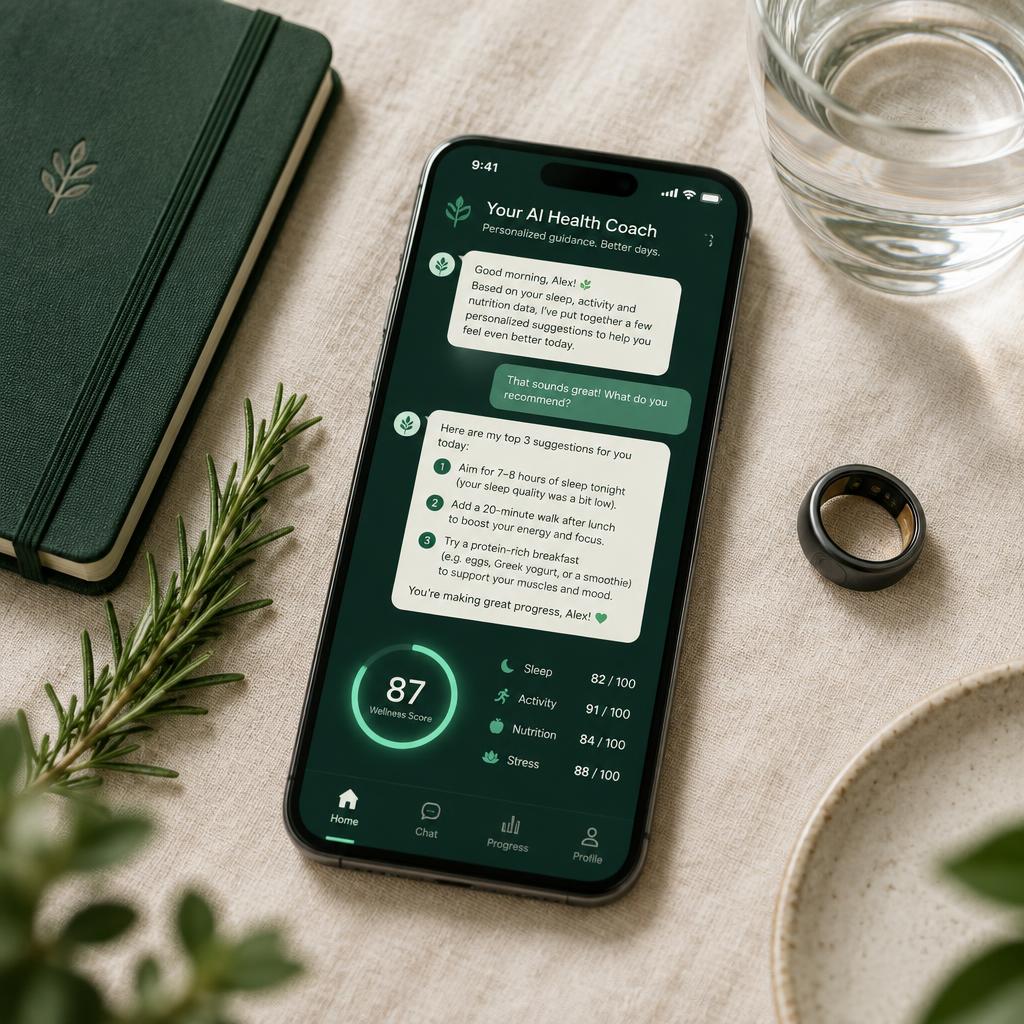
Everyone knows what to do to be healthier. Sleep more. Move more. Eat protein and plants. Manage stress. The gap was never knowledge — it's that generic advice doesn't survive contact with a real life. That gap is exactly what an AI health coach is built to close: not telling you what to do, but turning what to do into a plan for your body, your schedule, and your data — and adjusting it every day.
The 60-second answer
- • An AI health coach turns your data — sleep, activity, nutrition, stress, goals — into personalized daily guidance instead of generic advice.
- • Trials of AI-driven coaching show real improvements in activity, weight, and diet quality, largely through personalization and accountability.
- • It replaces neither doctors nor human coaches — it covers the daily layer between appointments.
- • The strongest use cases: meal planning, training, sleep, stress, supplements, and habit building.
- • Start free: the Aevon Health Assessment gives you a Wellness Score, biological age estimate, and Health Blueprint in ~3 minutes.
What an AI health coach actually is
Strip away the marketing and an AI health coach does four things. First, it assesses: it builds a baseline from your inputs — how you sleep, how you move, what you eat, your stress load, your goals. Second, it personalizes: instead of "eat more protein," it builds a meal structure around your actual preferences, schedule, and targets. Third, it adapts: a bad week of sleep changes tomorrow's training recommendation; a plateau changes the plan. Fourth, it follows up — the accountability loop that a PDF plan or a once-a-month appointment can't provide.
That last part matters more than the intelligence. Decades of behavioral research show that the programs people stick to share three traits: specific next actions, fast feedback, and someone — or something — checking in. AI happens to be very good at all three, at scale, at any hour.
What the evidence says
Digital coaching is one of the most-studied corners of digital health. Systematic reviews of app- and AI-delivered coaching interventions find consistent, modest-to-meaningful improvements in physical activity, weight, diet quality, and blood pressure compared with no intervention — and several randomized trials have found AI-personalized programs perform comparably to human-coached digital programs for common goals like weight loss and activity increases, at a fraction of the cost.
The honest caveats: effect sizes shrink when engagement drops, most studies run weeks to months rather than years, and an AI coach is only as good as the data and evidence behind its recommendations. A chatbot that guesses is not a coach. A system that measures you first, works from published research, and updates as you change — that's the category worth your time.
Where AI coaching shines — and where it doesn't
The sweet spot is high-frequency, low-risk decisions where personalization compounds:
- Meals. Translating targets into breakfasts you'll actually eat, grocery lists, and adjustments when you travel or eat out. See how this connects to the dietary pattern with real longevity evidence.
- Training. Programming around your equipment, schedule, and recovery — including the unglamorous work like Zone 2 cardio and raising your VO2 max, the strongest fitness predictor of lifespan.
- Sleep and recovery. Timing, routines, and load management based on how you're actually sleeping — the protocol behind increasing deep sleep and improving HRV.
- Supplements. Organizing what you're taking, flagging redundancies, and matching compounds to goals — the evidence filter in our anti-aging supplement review applied to your cabinet.
And the boundaries, which any trustworthy tool will state plainly: an AI health coach does not diagnose, treat, or prescribe. Chest pain, new symptoms, medication questions, mental health crises — those go to a clinician, full stop. The right mental model: the AI coach handles the 364 days a year you don't see a doctor; the doctor handles everything medical.
How to choose one: a 5-point checklist
- It measures before it prescribes. If the app hands you a plan before it knows anything about you, it's a content library, not a coach. Look for a real assessment up front — like a structured health risk assessment or a biological age estimate.
- Its advice is evidence-shaped. Recommendations should reflect published research, not trends — and the tool should be able to say why it's suggesting something.
- It covers multiple domains. Sleep, training, nutrition, and stress trade off against each other; a coach that only sees one domain will quietly sabotage the others.
- It knows its limits. Clear medical disclaimers and referrals to clinicians are a feature, not legal boilerplate.
- Its privacy policy is specific. Your health data should be encrypted, never sold, exportable, and deletable. Vague answers are an answer.
How Aevon approaches it
Aevon Health was built around that checklist. The free Health Assessment comes first: ten longevity domains scored in about three minutes, returning your Wellness Score, a biological age estimate, and a personalized Health Blueprint that ranks what's costing you the most. From there, the AI tools do the daily coaching — meal plans, training blocks, sleep and stress protocols, supplement stacks, and lab-marker interpretation — each one starting from your assessment rather than a template. Free members can try the AI Meal Planner and AI Fitness Planner; Pro unlocks the full toolkit. Educational guidance, not medical advice — by design.
Free · 3 minutes · No card required
Meet your AI health coach — starting with your baseline
Take the free Aevon Health Assessment to get your Wellness Score, biological age estimate, and Health Blueprint — then put the AI tools to work on it.
Take the free assessment →Frequently asked questions
This article is for educational purposes and is not medical advice. AI health coaching tools provide general wellness guidance, not diagnosis or treatment. Consult a qualified clinician about any health concerns.
Keep reading
Related from the Aevon Journal
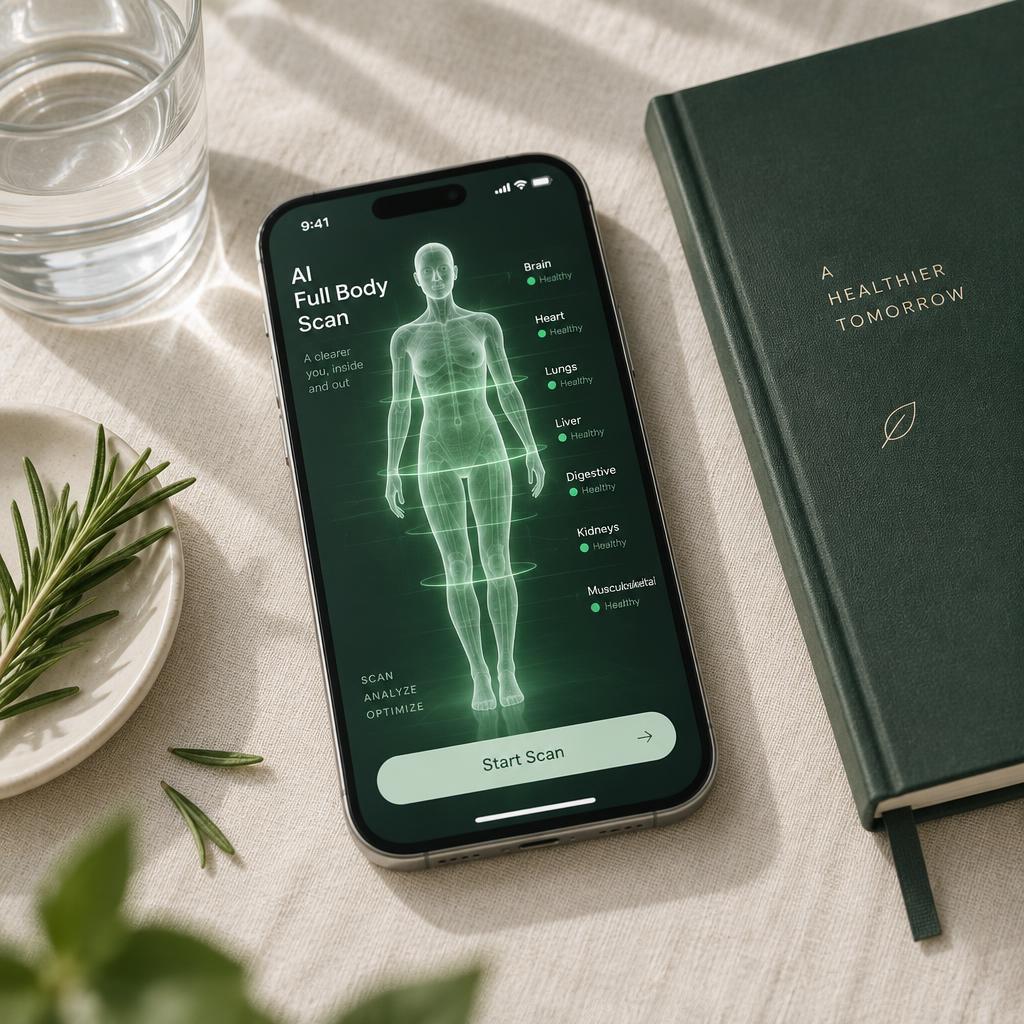
Full Body Scan: Cost, What It Shows, and Whether It's Worth It
Whole-body MRI, full body CT, DEXA and AI body scans all promise to see everything. What each one really costs, what it can and can't detect, the false-positive problem — and the free scan to run first.
Read →
Facial Analysis: What AI Can Actually Read From Your Face
A single photo holds more health information than a clipboard. How AI facial analysis measures skin, symmetry, and aging, what it reveals about your health and appearance — and how to get assessed free.
Read →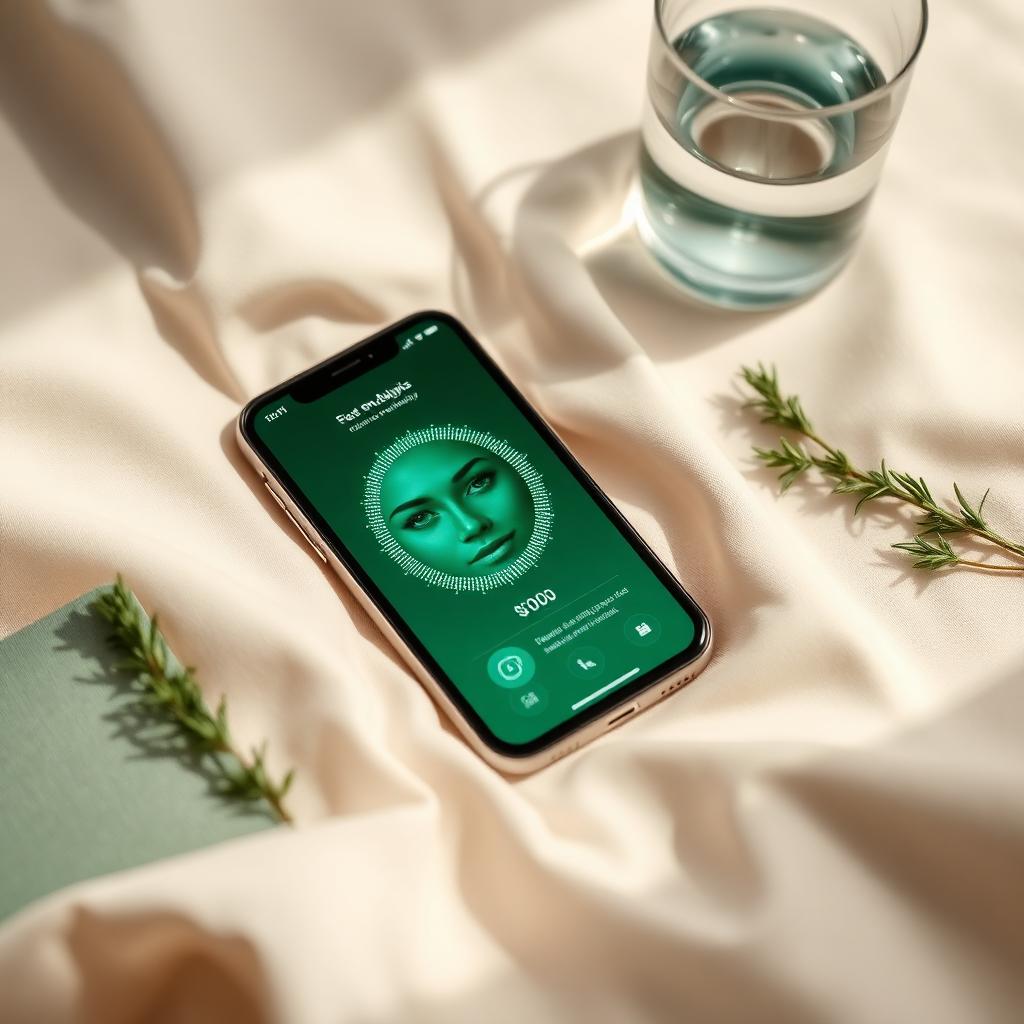
Face Age Test: How Old Does Your Face Really Look?
Face age tests are everywhere — and the science underneath them is real. How AI estimates your perceived age, why looking older than your years predicts health outcomes, and how to measure the aging that actually matters.
Read →