How to Increase Deep Sleep: The Evidence-Based Protocol
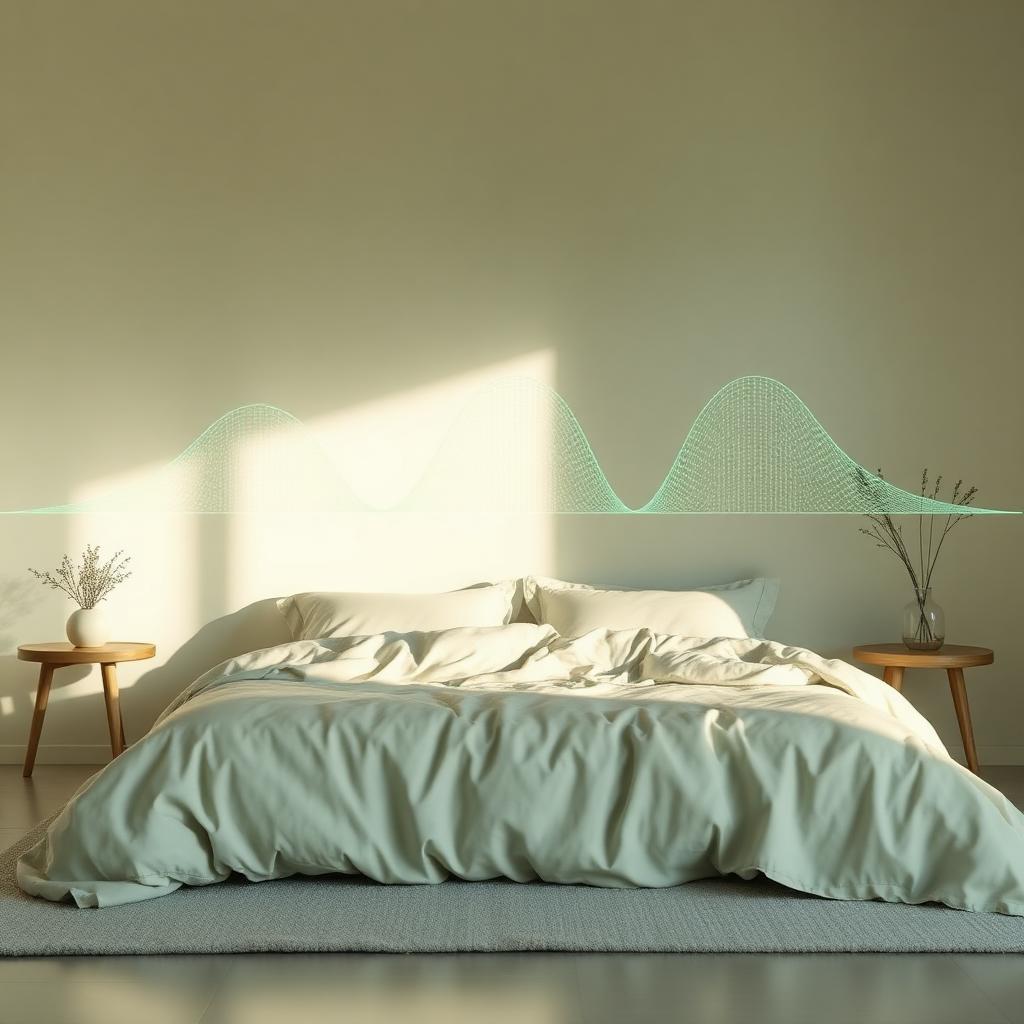
Deep sleep — technically slow-wave sleep (SWS, or N3) — is the stage where growth hormone peaks, memory consolidates, and the glymphatic system flushes metabolic waste (including beta-amyloid) out of your brain. Chronically low deep sleep predicts higher biological age, worse insulin sensitivity, and increased dementia risk. This is the exact protocol to get more of it.
What deep sleep actually is
Sleep runs in ~90-minute cycles of light sleep, deep sleep, and REM. Deep sleep dominates the first half of the night — roughly 60–110 minutes for a healthy adult, or 13–23% of total sleep. It's defined by high-amplitude delta waves (0.5–4 Hz) on EEG and is the hardest stage to be woken from.
Why deep sleep matters for longevity
- Brain clearance. Cerebrospinal fluid flow increases ~60% during deep sleep, removing amyloid-beta and tau.
- Hormonal repair. ~75% of your daily growth hormone is secreted in slow-wave sleep.
- Immune function. Deep sleep boosts T-cell activity and vaccine response.
- Metabolic health. A single night of suppressed deep sleep drops insulin sensitivity by ~25%.
- Cardiovascular resilience. Blood pressure and heart rate reach their lowest 24-hour values here.
How to increase deep sleep — the protocol
The levers below are ranked by effect size. Fix the top three before spending money on anything else.
1. Drop your bedroom temperature to 65–67°F (18–19°C)
Deep sleep triggers on a falling core body temperature. Every study that has cooled sleepers — with mattress systems, cool showers, or ambient cooling — has shown more slow-wave sleep. If a mattress cooler isn't in the budget, a warm shower 60–90 minutes before bed causes a rebound temperature drop and delivers ~10% of the same effect.
2. Cut alcohol within 3 hours of bed
Alcohol is the single most reliable deep-sleep destroyer. Even one to two drinks suppresses SWS by 20–40% and fragments the second half of the night as it metabolizes. A dry Tuesday–Thursday alone typically adds 15–25 minutes of measured deep sleep.
3. Lock a consistent wake time — 7 days a week
Deep sleep is largely driven by sleep pressure (adenosine buildup) since your last wake. A steady wake time — even on weekends — tightens your circadian rhythm and consolidates deep sleep into the first two cycles. Variable wake times of >60 minutes measurably reduce SWS.
4. Get bright light in the first hour after waking
10–20 minutes of outdoor light (or ~10,000 lux artificial) within an hour of waking anchors your circadian rhythm and increases melatonin amplitude 14–16 hours later, when you need it. This is why light exposure feels unrelated to sleep but consistently shows up in deep-sleep data.
5. Cut caffeine 8–10 hours before bed
Caffeine's half-life is 5–6 hours; its quarter-life (still enough to block adenosine receptors) is 10–12. A 2 PM coffee for a 10 PM bedtime is the honest cutoff for most adults. Studies show caffeine within 6 hours of bed cuts SWS by ~10%.
6. Train hard — but earlier in the day
Moderate-to-vigorous exercise increases deep sleep the same night. Aim for at least one Zone 2 session (see our Zone 2 guide) and one strength session per week, finishing 2–3+ hours before bed. Endurance work seems to raise SWS more than lifting.
7. Eat your last real meal 3+ hours before bed
Late meals raise core temperature and blood glucose overnight — both suppress SWS. People with the lowest deep sleep almost always eat within two hours of sleeping.
8. Consider magnesium and glycine (finishers)
- Magnesium glycinate — 200–400 mg, 60 min before bed. Modest SWS boost in mildly deficient adults.
- Glycine — 3 g before bed, lowers core temperature and improves subjective sleep quality.
- Apigenin (from chamomile) — 50 mg, mild sedative effect.
Skip melatonin unless you're jet-lagged or shift-working — it's a circadian shifter, not a sleep-depth aid, and doses over 0.5 mg often backfire.
A one-week deep-sleep reset
- Mon–Sun: wake at the same time (±30 min).
- Mon–Sun: 10 min outdoor light within an hour of waking.
- Mon–Sun: bedroom at 65–67°F, blackout, no phone in bed.
- Mon, Wed, Fri: 30 min Zone 2 by 6 PM.
- Tue, Thu: 30 min strength by 6 PM.
- Mon–Fri: no alcohol, no caffeine after 2 PM, dinner by 7 PM.
- Every night: warm shower 90 min before bed; magnesium glycinate 300 mg.
Most people gain 20–40 minutes of measured deep sleep within two weeks of this protocol.
How to measure deep sleep
Consumer wearables (Oura, Whoop, Apple Watch, Garmin) estimate sleep stages from heart rate, HRV, and movement. Against lab polysomnography they're ~70–80% accurate on stage classification — good for tracking your own trend, poor for comparing devices or people. Retest weekly averages, not single nights.
When to see a doctor
If you snore loudly, wake gasping, or feel unrested after 8+ hours in bed, screen for obstructive sleep apnea. Untreated OSA fragments deep sleep and no lifestyle protocol will fix it. Aevon Health provides educational wellness guidance only and does not diagnose or treat sleep disorders.
Frequently asked questions
Does deep sleep decline with age?
Yes — by roughly 2% per decade after 30. This makes the levers above moreimportant with age, not less.
Is more deep sleep always better?
Beyond ~25% of total sleep, more deep sleep isn't associated with additional benefit — and abnormally high SWS can signal recovery from prior sleep debt or illness. Focus on the range, not the maximum.
Do naps count?
Short naps (<30 min) are mostly light sleep and don't hurt night deep sleep. Naps >60 min contain deep sleep and can reduce it that night.
Deep sleep is the single most modifiable input into your biological age. Fix temperature, alcohol, and wake time first — everything else is optimization on top.
Get personalized
Your sleep protocol, calibrated to you.
Take the free assessment and get a personalized sleep optimization plan inside your Aevon Health Blueprint.
Start free assessment →Keep reading
Related from the Aevon Journal
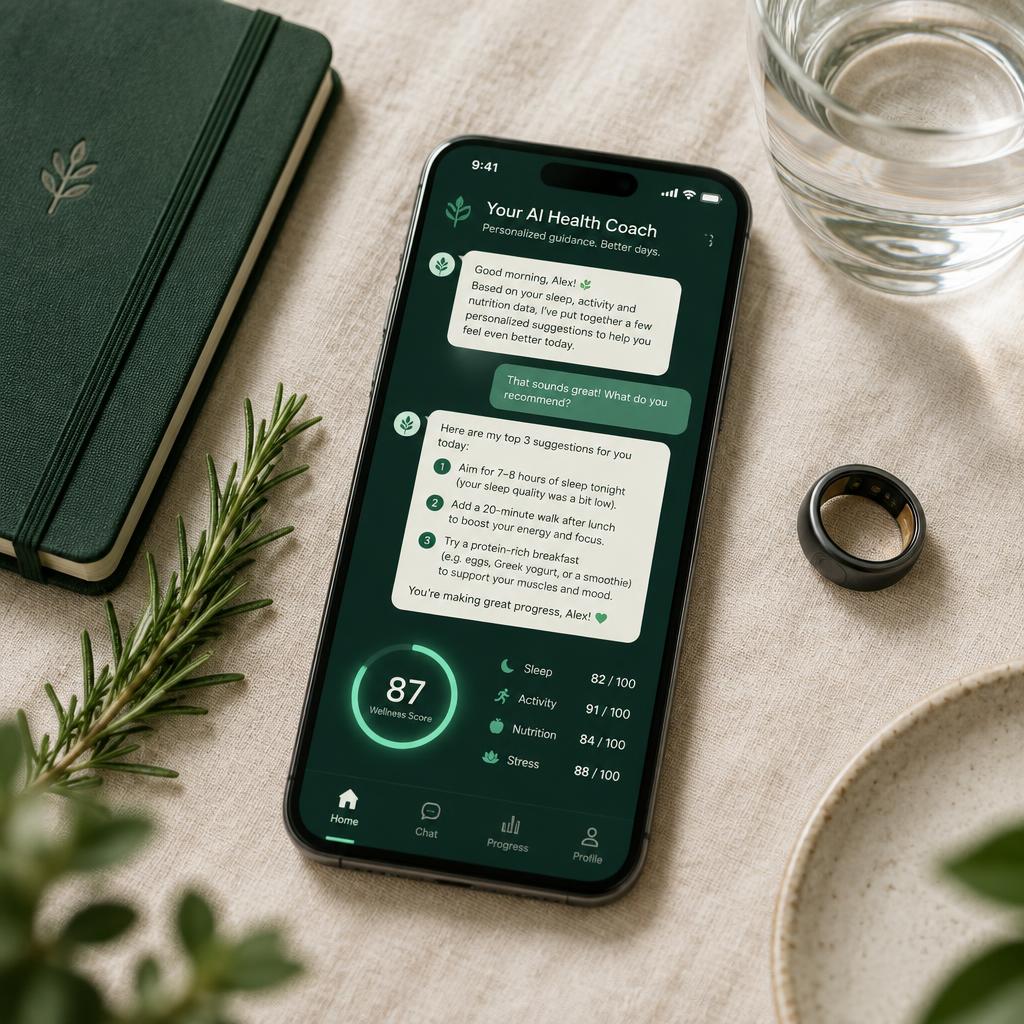
AI Health Coach: What It Actually Does and Whether You Need One
A personal trainer, nutritionist, and sleep specialist in your pocket — that's the pitch. What an AI health coach really does, what the evidence says about whether it works, where it falls short, and how to try one free.
Read →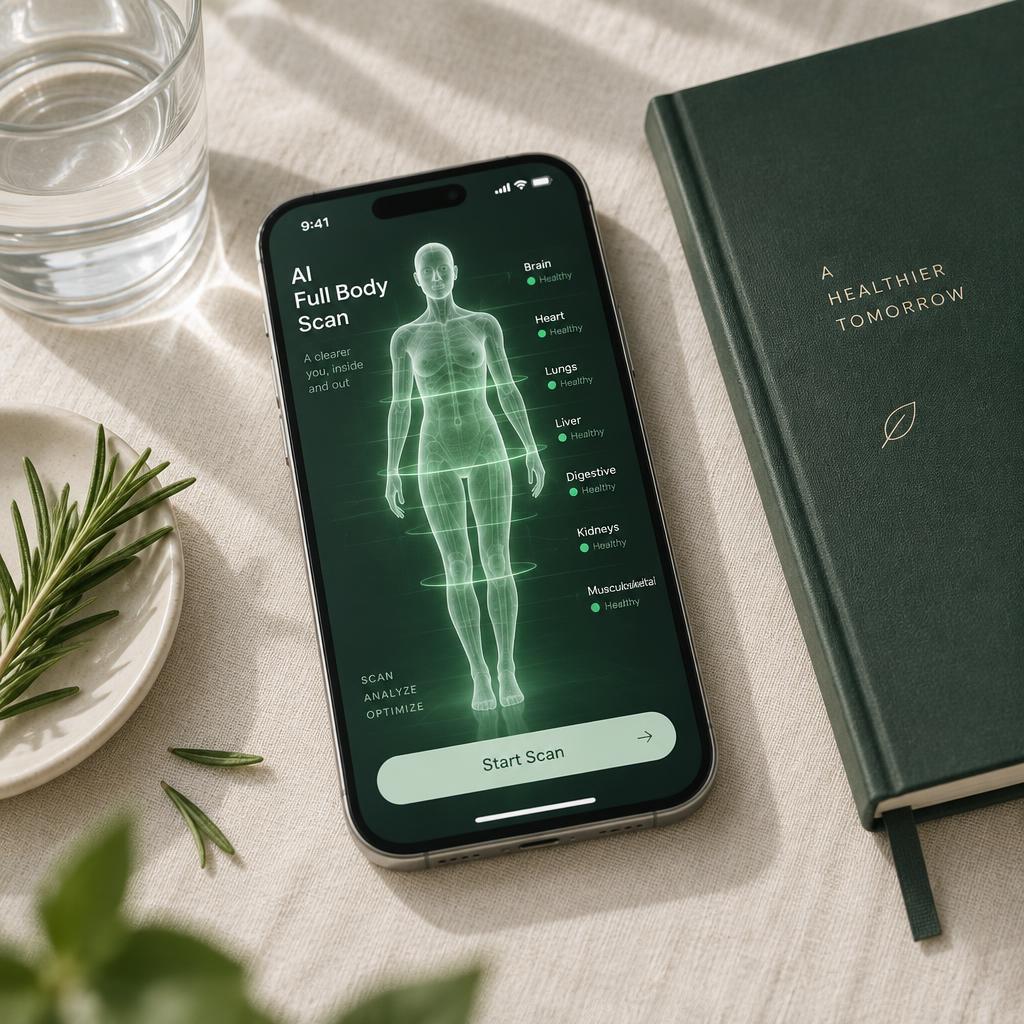
Full Body Scan: Cost, What It Shows, and Whether It's Worth It
Whole-body MRI, full body CT, DEXA and AI body scans all promise to see everything. What each one really costs, what it can and can't detect, the false-positive problem — and the free scan to run first.
Read →
Facial Analysis: What AI Can Actually Read From Your Face
A single photo holds more health information than a clipboard. How AI facial analysis measures skin, symmetry, and aging, what it reveals about your health and appearance — and how to get assessed free.
Read →