The Best Anti-Aging Supplements: What the Evidence Actually Supports
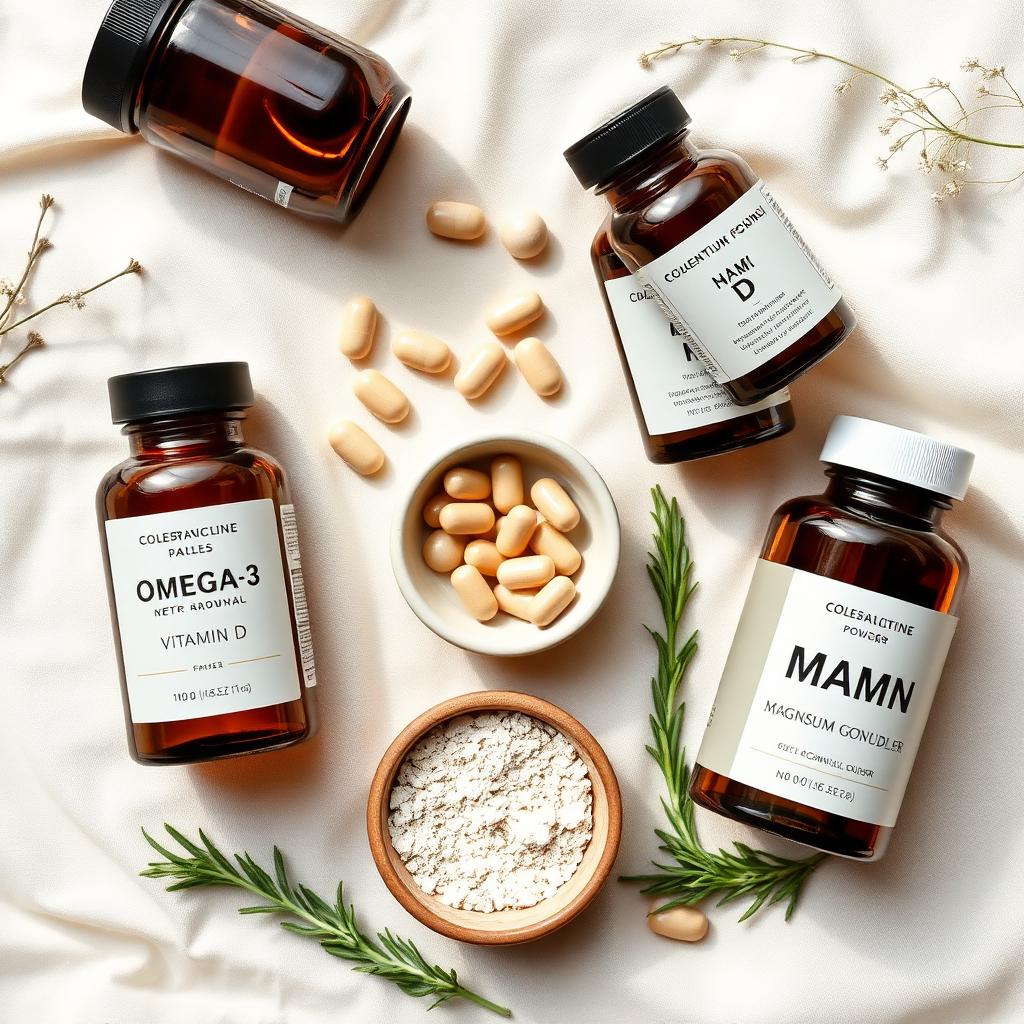
The anti-aging supplement industry is a $60 billion category built mostly on mouse studies, Instagram physicians, and marketing. Strip it back to what has actually moved a longevity endpoint in humans — mortality, disability, cognitive decline, or a validated biological aging clock — and the list gets short, cheap, and boring. That short list is what belongs in your cabinet.
The one-paragraph answer
Creatine, omega-3, vitamin D3 (with K2), magnesium glycinate, and a protein supplement to close your intake gap are the five with the strongest human data, the cleanest safety profile, and the largest effect sizes on the biology that actually controls how you age. Everything else is tier 2 or experimental. Get the tier 1 right before spending on anything else.
How we ranked them
Every supplement below is scored on four criteria:
- Human evidence. Randomized controlled trials in people, not mice.
- Effect size. How big is the shift on a longevity-relevant outcome?
- Safety. Decades of use, low interaction burden, wide therapeutic window.
- Cost per benefit. Would a cardiologist blink at the monthly spend?
Tier 1 — the foundation (take these first)
1. Creatine monohydrate — 3–5g/day
The most-studied supplement in sports and increasingly in geroscience. Over 500 human RCTs. Creatine preserves muscle mass and strength in older adults — the strongest predictor of all-cause mortality after age 60 — and now has replicated data for cognition, mood, and even bone density in postmenopausal women. Effect on sarcopenia (age-related muscle loss) rivals resistance training alone.
Dose: 3–5g daily, any time of day, with or without food. Skip loading phases — unnecessary. Form: monohydrate. Anything else is a marketing upcharge. Cost: ~$10/month.
2. Omega-3 (EPA + DHA) — 1–2g/day combined
The REDUCE-IT trial (25% reduction in cardiovascular events) and dozens of others put long-chain omega-3s in the top tier for cardiovascular longevity. Additional signals for slower cognitive decline (MIDAS, others) and reduced all-cause mortality in cohorts with low fish intake.
Dose: 1–2g combined EPA+DHA per day. Read the back label — a "1,000mg fish oil" softgel often contains only ~300mg of active omega-3. Form:triglyceride or re-esterified triglyceride form, third-party tested for oxidation (TOTOX < 26). Skip if you eat fatty fish 3+ times per week. Cost:~$15–25/month for a quality brand.
3. Vitamin D3 + K2 — 1,000–2,000 IU + 90–180 mcg
Low 25(OH)D is associated with higher mortality across dozens of cohorts, and correcting a deficiency has clear effects on bone, immune function, and muscle. K2 (as MK-7) helps direct calcium into bone rather than arterial walls — the pairing is standard in modern longevity protocols.
Dose: 1,000–2,000 IU D3 for most; get 25(OH)D tested and target 40–60 ng/mL. Add 90–180 mcg K2 (MK-7). Cost: ~$8/month.
4. Magnesium glycinate — 200–400mg elemental at night
Roughly half of adults are below the RDA for magnesium. Repletion improves deep sleep, blood pressure, insulin sensitivity, and (in older adults) resting cramping and restless legs. Glycinate is gentle on the gut; oxide is essentially not absorbed.
Dose: 200–400mg elemental magnesium 30–60 minutes before bed. Form: glycinate (or bisglycinate) or L-threonate if targeting cognition. Cost: ~$10/month.
5. Protein powder — as needed to hit 1.2–1.6 g/kg
Not glamorous, but sarcopenia is the single most under-addressed longevity risk after 40. Most adults miss the 30–40g-per-meal leucine threshold at breakfast. A quality whey isolate or plant blend closes that gap in 30 seconds.
Dose: 25–40g scoop as one of your protein-heavy meals. Form: whey isolate (grass-fed, third-party tested) or a soy/pea/rice blend with a full amino acid profile. Cost: ~$25–40/month.
Tier 1 total: roughly $70–100/month for the entire evidence-based longevity foundation.
Tier 2 — worth considering
Glycine — 3g at night
Lowers core body temperature and improves subjective sleep quality in RCTs. Cheap, safe, synergistic with magnesium.
Taurine — 1–3g/day
One 2023 Science paper showed taurine deficiency accelerates aging in mice and monkeys; human RCTs are limited but supportive for cardiovascular and mitochondrial markers. Reasonable to include if budget allows.
Curcumin (with piperine or phytosome form) — 500–1,000mg
Anti-inflammatory with real human data for joint pain and metabolic markers. Absorption is the bottleneck — plain turmeric doesn't work; use Meriva, Longvida, or curcumin + piperine.
Fiber supplement — 5–10g/day
If you're under 30g fiber/day from food (most adults are), psyllium or partially hydrolyzed guar gum closes the gap. Improves LDL, glucose, and microbiome diversity.
Collagen peptides — 10–20g/day
Modest but real evidence for skin elasticity, joint pain, and tendon repair. Not a complete protein — count it toward variety, not your total.
Tier 3 — experimental / under supervision only
NMN / NR (NAD+ precursors) — 250–500mg
Reliably raises NAD+ in humans. Endpoint data is preliminary. Not harmful, but expensive for the current evidence. Fine as a "budget allows" tier-3 add.
Rapamycin — physician only
The single most promising geroscience molecule in animal models. Real human data is ongoing (PEARL trial). Immunosuppressive; requires monitoring. Not a supplement — a prescription drug used off-label.
Metformin — physician only
Mixed signal — TAME trial ongoing. Blunts exercise-induced mitochondrial adaptation in some studies, so it's not a free win. Only makes sense for those with insulin resistance under a clinician's care.
Senolytics (fisetin, quercetin, dasatinib) — experimental
Interesting mouse data, thin human data, dosing protocols not standardized. Wait 2–3 more years of human trials.
What to skip
- Resveratrol. Failed to replicate mouse results in humans. Save your money.
- High-dose antioxidants (vitamin E, beta-carotene). Multiple large trials showed increased mortality at high doses. The dose makes the poison.
- Multivitamins as an anti-aging strategy. Fine as insurance, useless as a longevity lever. Physicians' Health Study II found essentially no mortality benefit.
- "Longevity blends" with 40 ingredients. Under-dosed on everything, expensive, and impossible to titrate.
- Colloidal silver, MMS, "detox" stacks. Actively harmful.
Comparison at a glance
| Supplement | Evidence | Dose | Cost/mo |
|---|---|---|---|
| Creatine monohydrate | Very strong | 3–5g | $10 |
| Omega-3 (EPA+DHA) | Strong | 1–2g | $15–25 |
| Vitamin D3 + K2 | Strong | 1–2k IU + 90–180 mcg | $8 |
| Magnesium glycinate | Strong | 200–400mg | $10 |
| Protein powder | Strong (via muscle) | 25–40g | $25–40 |
| Glycine | Moderate | 3g | $6 |
| Taurine | Emerging | 1–3g | $10 |
| Curcumin (bioavailable) | Moderate | 500–1,000mg | $15 |
| NMN / NR | Preliminary | 250–500mg | $40–80 |
| Resveratrol | Failed in humans | — | Skip |
A minimal starter stack
If you want to start today and add nothing else for 60 days:
- Morning with breakfast: 2g omega-3, 2,000 IU D3 + 100 mcg K2.
- Any time: 5g creatine monohydrate in water.
- 60 minutes before bed: 300mg magnesium glycinate (+3g glycine, optional).
- As needed: 25–40g protein powder to hit 1.2–1.6 g/kg on the day.
That's the entire evidence-based anti-aging foundation. Under $80/month. Boring. Effective. The rest is optimization.
How to buy without getting scammed
- Look for third-party testing: NSF Certified for Sport, USP Verified, Informed Sport, or Labdoor A-grades.
- Read the elemental dose, not the compound weight — "500mg magnesium citrate" contains ~80mg elemental magnesium.
- Avoid proprietary blends that hide individual doses.
- Don't overpay for branding. A $60/month creatine is chemically identical to a $10/month creatine.
Frequently asked questions
What are the best anti-aging supplements backed by science?
The strongest human evidence supports creatine monohydrate (3–5g/day), omega-3 EPA/DHA (1–2g/day), vitamin D3 (1,000–2,000 IU with K2), magnesium glycinate (200–400mg), and a quality protein supplement to hit 1.2–1.6g/kg. These five move the largest longevity levers — muscle mass, cardiovascular risk, inflammation, sleep, and metabolic health — with decades of randomized trial data behind them.
Does NMN actually reverse aging?
NMN raises NAD+ levels in humans, which declines with age, but the direct evidence that this reverses aging in people is still preliminary. Small human trials show modest improvements in walking distance, insulin sensitivity, and NAD+ markers. It is a reasonable tier-2 supplement — take it if budget allows, but hit the tier-1 basics first.
Are anti-aging supplements safe?
The tier-1 supplements (creatine, omega-3, vitamin D, magnesium) have safety records spanning decades and hundreds of trials. Novel compounds like rapamycin, senolytics, and metformin have real risks and drug interactions and should only be used under a physician's supervision. Always check interactions with any prescribed medications.
What is the single best anti-aging supplement?
If you can only take one, creatine monohydrate at 3–5g/day. It has the largest evidence base of any supplement for preserving muscle mass and cognitive function into older age, both of which are top predictors of longevity. It costs about $10/month and works in nearly everyone.
Do resveratrol and NAD+ boosters work?
Resveratrol has failed to replicate its mouse results in humans and is not recommended. NAD+ precursors (NMN, NR) do raise NAD+ levels, but the longevity endpoint data is thin. Neither belongs in a tier-1 stack; consider them experimental additions once the fundamentals are locked in.
More questions
Can supplements replace a good diet?
No, and no supplement stack will out-run poor sleep, no training, and an ultra-processed diet. Supplements are 10% of the outcome; behavior is 90%.
Should women take different supplements than men?
The tier-1 stack is identical, though iron status, calcium, and B12 checks matter more in menstruating women and vegans respectively. Postmenopausal women see the biggest creatine and vitamin D effects.
When should I start taking anti-aging supplements?
The tier-1 stack is safe from your 20s. The impact grows meaningfully after 40 as muscle, bone, and mitochondrial reserves start to slip.
Do I need to cycle them?
No. None of the tier-1 supplements require cycling.
Are gummies as good as capsules?
Rarely. Gummies are usually under-dosed and loaded with sugar. Prefer capsules or powder.
None of this is medical advice. Talk to your clinician before adding supplements if you take prescription medications or manage a chronic condition.
Get personalized
Your supplement stack, calibrated to you.
Take the free assessment and get a personalized supplement stack based on your biomarkers, goals, and gaps — inside your Health Blueprint.
Start free assessment →Keep reading
Related from the Aevon Journal
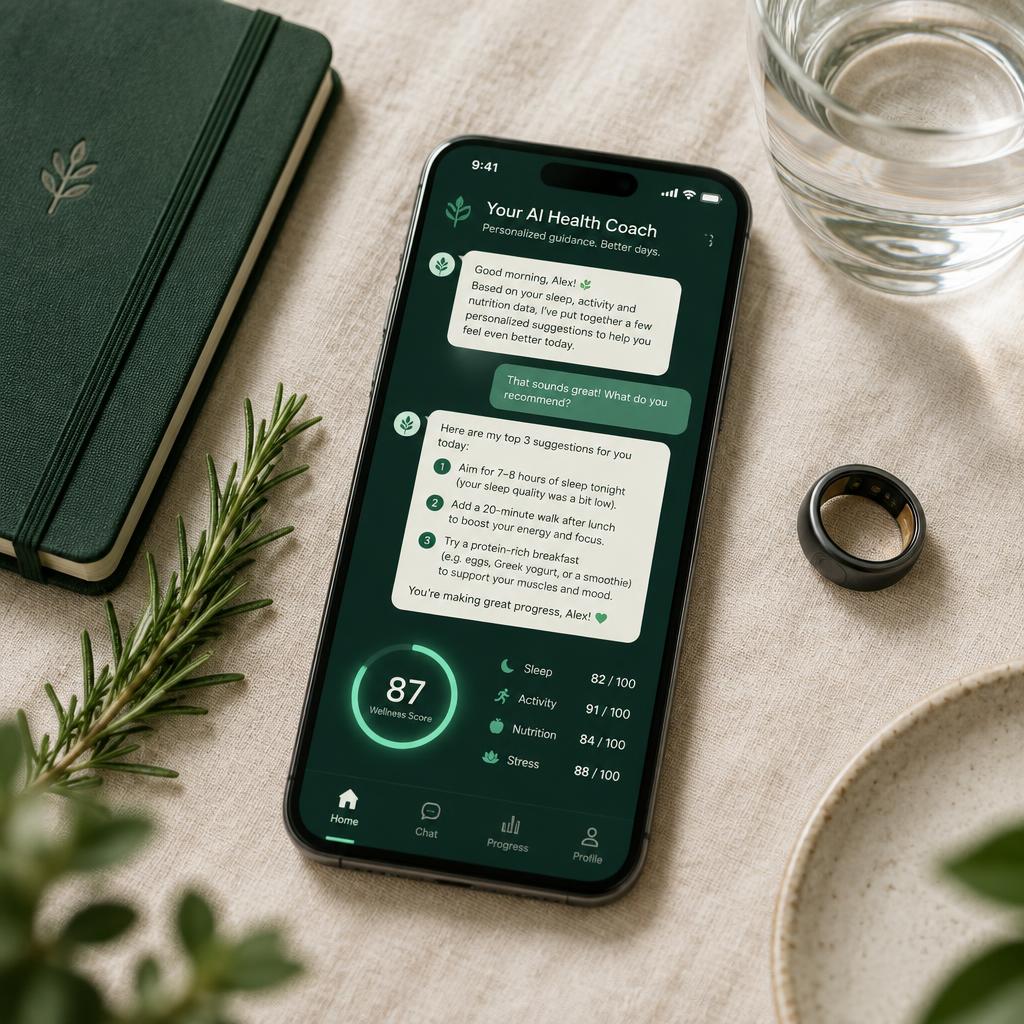
AI Health Coach: What It Actually Does and Whether You Need One
A personal trainer, nutritionist, and sleep specialist in your pocket — that's the pitch. What an AI health coach really does, what the evidence says about whether it works, where it falls short, and how to try one free.
Read →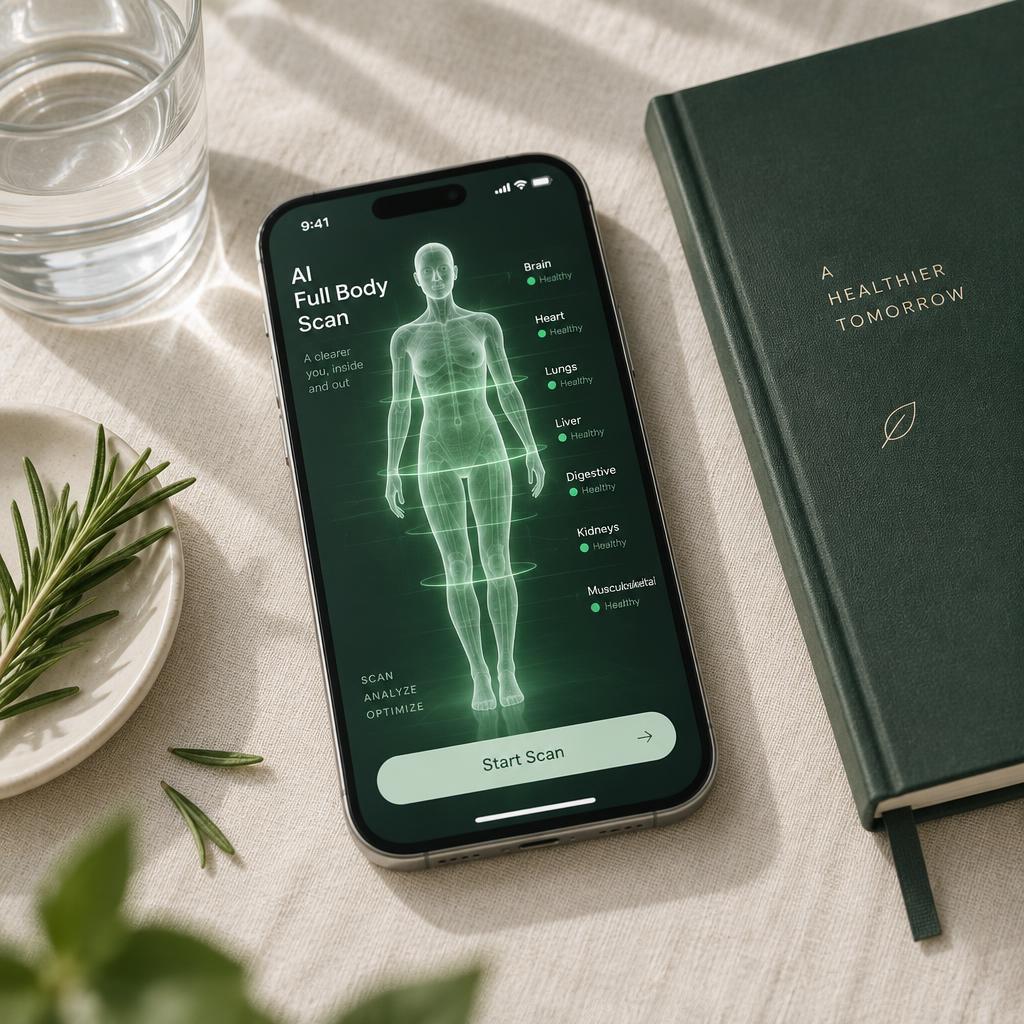
Full Body Scan: Cost, What It Shows, and Whether It's Worth It
Whole-body MRI, full body CT, DEXA and AI body scans all promise to see everything. What each one really costs, what it can and can't detect, the false-positive problem — and the free scan to run first.
Read →
Facial Analysis: What AI Can Actually Read From Your Face
A single photo holds more health information than a clipboard. How AI facial analysis measures skin, symmetry, and aging, what it reveals about your health and appearance — and how to get assessed free.
Read →