How to Improve HRV: The Complete Guide to Raising Heart Rate Variability
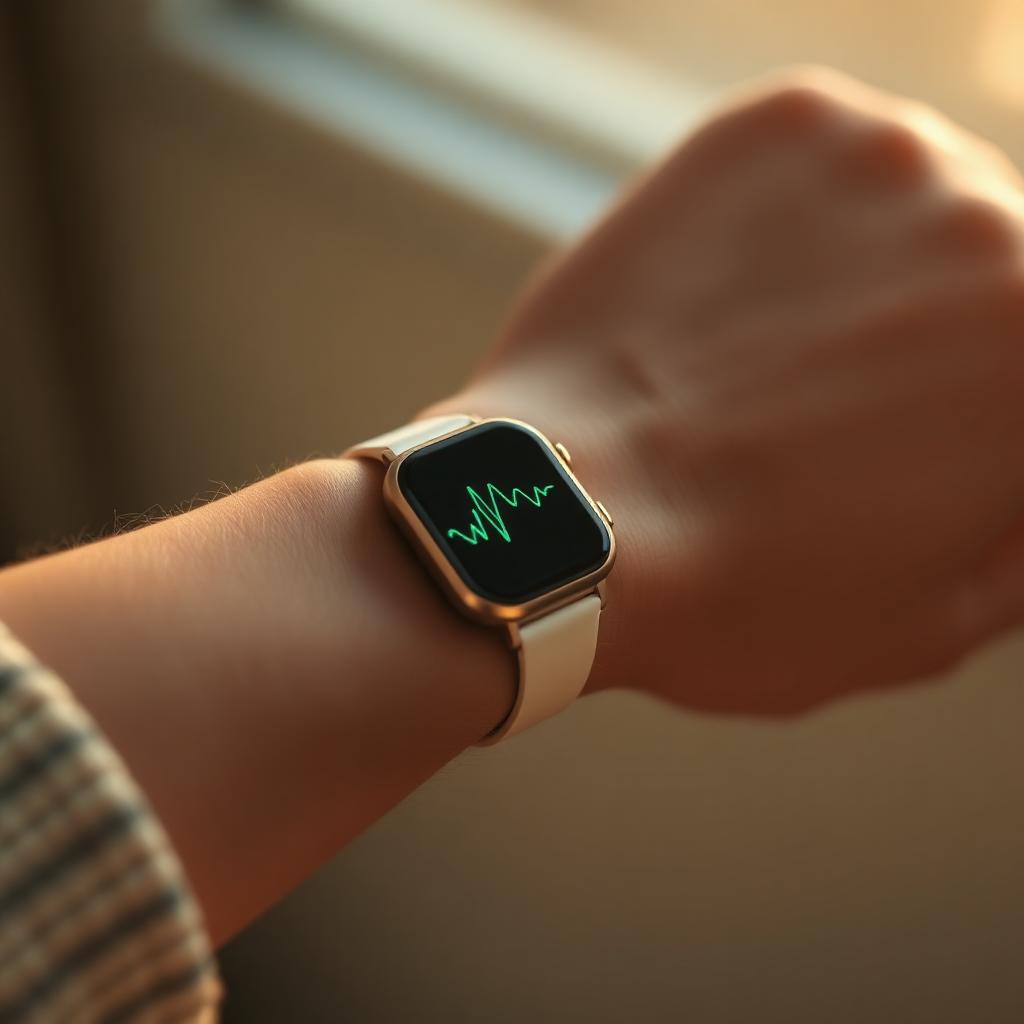
Heart rate variability (HRV) is the beat-to-beat variation in the time between heartbeats. It's the single best consumer-grade signal we have of autonomic nervous system balance, recovery status, and — over years — all-cause mortality risk. Here's the evidence-based playbook to raise it.
What HRV actually measures
Your heart doesn't beat like a metronome. When the parasympathetic ("rest and digest") branch is dominant, the interval between beats varies more; when sympathetic ("fight or flight") is dominant, it narrows. HRV is that variability, most commonly reported as RMSSD (root mean square of successive differences) in milliseconds. Higher = more parasympathetic reserve = better recovery capacity.
Why HRV matters for longevity
- Higher HRV is associated with lower all-cause mortality in cohorts >100,000.
- It's an early warning system for illness, overtraining, and burnout — often 24–72 hours before symptoms.
- It correlates with cognitive flexibility, emotional regulation, and sleep quality.
- It's directly modifiable — unlike most longevity biomarkers.
What's a good HRV?
There is no universal "good" number. HRV declines with age, is typically lower in women than men on the same device, and differs across measurement methods (Oura, Whoop, Apple Watch, and chest straps all read differently). Rough overnight RMSSD ranges:
| Age | Low | Typical | Elite |
|---|---|---|---|
| 20–29 | <40 | 40–75 | 90+ |
| 30–39 | <30 | 30–65 | 80+ |
| 40–49 | <25 | 25–55 | 70+ |
| 50–59 | <20 | 20–45 | 60+ |
| 60+ | <18 | 18–40 | 50+ |
These are directional. Compare yourself to your own 30-day baseline — not to anyone else.
How to improve HRV — the protocol
Ranked by effect size. Fix the top three before optimizing anything below.
1. Remove alcohol
Alcohol is the most reliable HRV suppressor in the consumer wearable data. Even one to two drinks drops overnight RMSSD by 20–40%. Full removal usually returns baseline within 3–5 nights. If you keep only one habit from this article, keep this one.
2. Build aerobic base with Zone 2
Consistent Zone 2 training (3–4 hours/week for 8+ weeks) is the most reliable structural driver of HRV. It increases stroke volume, vagal tone, and mitochondrial density — all of which lift resting parasympathetic activity. See our how to increase VO2 max guide for how to program it.
3. Slow-paced breathing (5.5 breaths/min)
Ten minutes daily of resonance-frequency breathing (about 4 seconds in, 6 seconds out) is the single fastest acute HRV intervention. Randomized trials show meaningful gains in resting HRV in 4–6 weeks. Practice at the same time each day — morning or pre-sleep are ideal.
4. Sleep — consistency > duration
Overnight HRV is highly sensitive to sleep timing and depth. A steady 7-day wake time matters more than any single long night. Cooling the bedroom (65–67°F) and cutting late meals lift HRV meaningfully — see our deep sleep guide.
5. Cut late caffeine
Caffeine after 2 PM (for a ~10 PM bedtime) blunts overnight HRV even in people who "sleep fine." Move all caffeine before noon for a 2-week test.
6. Manage stress load — not just stress
HRV reflects total load, not just psychological stress. Undereating, illness, jet lag, heat, altitude, and heavy training days all push it down. On low-HRV mornings, swap intense training for Zone 2 or a walk — this is where wearables genuinely earn their price.
7. Sunlight, cold, and heat (small levers)
- Morning sunlight — 10 min, boosts circadian amplitude and overnight HRV.
- Sauna — 3–4×/week, 20 min at 175–195°F, raises HRV over 8 weeks.
- Cold exposure — 2–3 min cold showers can acutely raise HRV; longer plunges can suppress it same-night.
8. Supplements with real evidence
- Omega-3 (EPA/DHA) — 2 g/day, modest HRV increase in 8–12 weeks.
- Magnesium glycinate — 200–400 mg before bed; small overnight HRV lift.
- Creatine — 5 g/day; indirect effect via better sleep and training capacity.
Skip stimulant nootropics, high-dose caffeine pre-workouts, and nicotine — all suppress HRV.
An 8-week HRV protocol
- Weeks 1–2: zero alcohol; caffeine cutoff at noon; 10 min slow breathing daily; consistent 7-day wake time.
- Weeks 3–4: add 3× 45-min Zone 2 sessions/week; morning sunlight; magnesium 300 mg before bed.
- Weeks 5–6: add 1× strength session; 2× sauna sessions; omega-3 2 g/day.
- Weeks 7–8: hold volume; audit worst 3 nights of each week and remove one variable at a time.
Realistic result: 5–15 ms rise in overnight RMSSD, better subjective recovery, and lower resting heart rate.
How to measure HRV correctly
- Overnight (wearables): most reliable — use the 30-day trend, not a single night.
- Morning readiness (chest strap or ring): 2–3 min supine, same time, same position.
- Avoid comparing devices, comparing to friends, or reacting to single nights.
When to see a doctor
A sudden, sustained HRV drop (>30% below baseline for >7 days) without an obvious cause — illness, alcohol, hard training — can signal underlying inflammation, arrhythmia, or thyroid issues. Aevon Health provides educational wellness guidance only and does not diagnose or treat medical conditions.
HRV is a signal, not a scoreboard. The goal isn't the highest number — it's a stable, gently rising baseline that reflects a nervous system with room to spare.
Get personalized
Your HRV protocol, calibrated to you.
Take the free Aevon assessment and get a personalized recovery and nervous-system plan inside your Health Blueprint.
Start free assessment →Keep reading
Related from the Aevon Journal
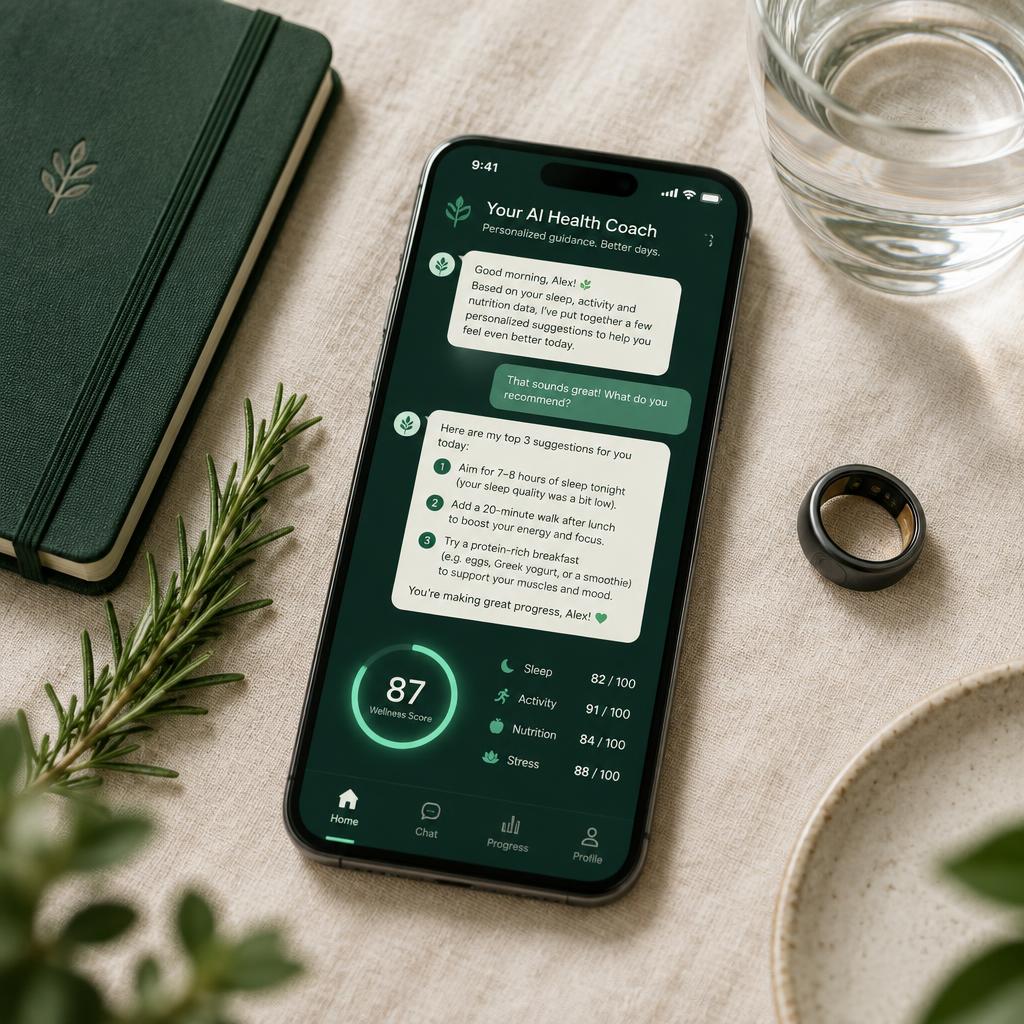
AI Health Coach: What It Actually Does and Whether You Need One
A personal trainer, nutritionist, and sleep specialist in your pocket — that's the pitch. What an AI health coach really does, what the evidence says about whether it works, where it falls short, and how to try one free.
Read →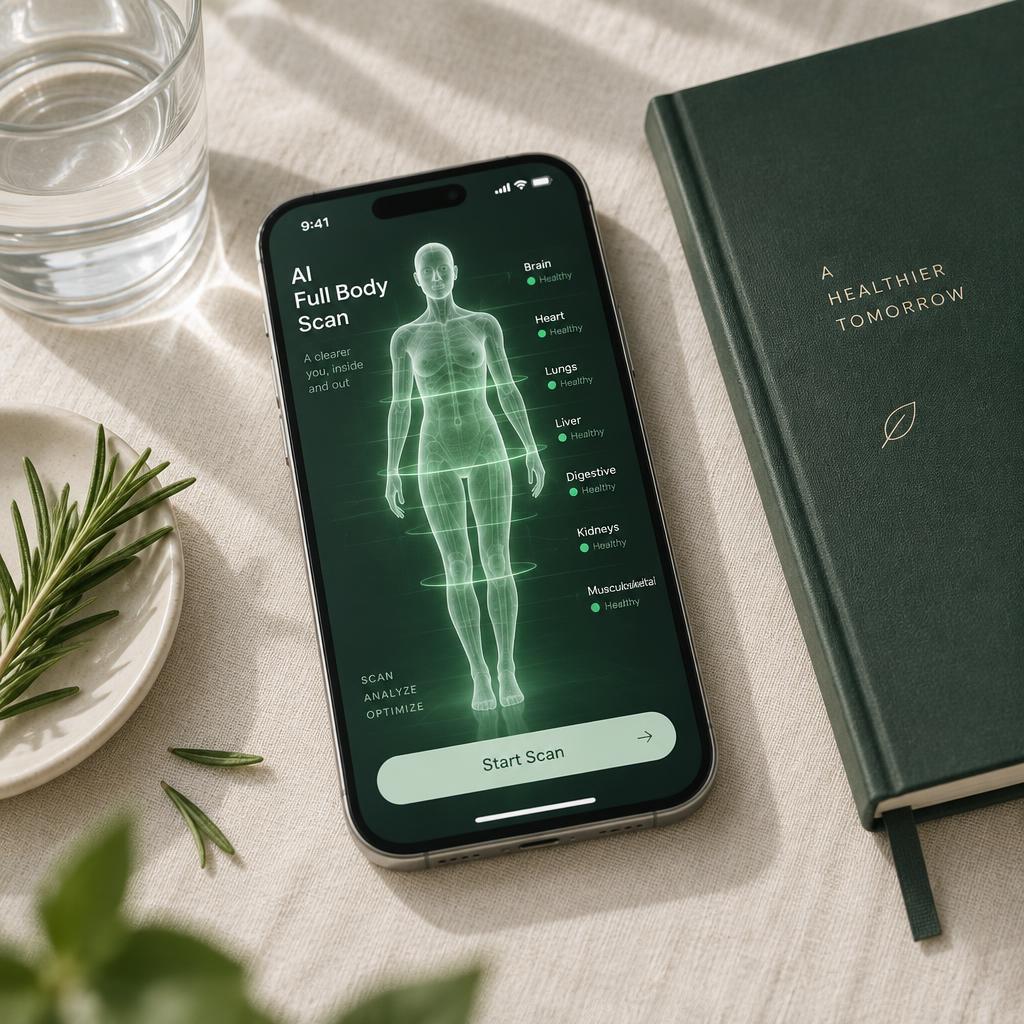
Full Body Scan: Cost, What It Shows, and Whether It's Worth It
Whole-body MRI, full body CT, DEXA and AI body scans all promise to see everything. What each one really costs, what it can and can't detect, the false-positive problem — and the free scan to run first.
Read →
Facial Analysis: What AI Can Actually Read From Your Face
A single photo holds more health information than a clipboard. How AI facial analysis measures skin, symmetry, and aging, what it reveals about your health and appearance — and how to get assessed free.
Read →