Longevity science · 8 min read
Biological age tests, compared: lifestyle vs blood vs epigenetic
Chronological age is the number of times you've orbited the sun. Biological age is how old your body actually behaves. Three broad methods try to measure it — and they don't agree on price, accuracy, or what "biological age" even means. Here's how they stack up, and where to start.
The three methods at a glance
| Lifestyle assessment | Blood biomarkers | Epigenetic clock | |
|---|---|---|---|
| Typical cost | Free – $30 | $150 – $500 | $300 – $700 |
| Turnaround | Minutes | 1 – 2 weeks | 3 – 6 weeks |
| Sample | Questionnaire | Blood draw | Saliva or blood |
| Accuracy | Directional | High for specific systems | Highest for aging biology |
| Best for | Getting started | Metabolic & cardiovascular risk | Tracking aging trajectory |
1. Lifestyle assessments
Lifestyle-based biological age models — including our own free Health Assessment — use validated inputs like sleep quality, resting heart rate, VO₂ max, dietary patterns, stress, alcohol, and BMI to estimate how your habits are shifting your aging curve. Think of it as a directional signal, not a clinical readout. The upside: it's free, it takes minutes, and it tells you which levers to pull first.
The best free biological age calculator for most people is the one you'll actually complete every 30 days — repeatability is what turns a number into a trajectory.
2. Blood biomarker panels
Blood-based biological age tests (PhenoAge, GlycanAge, and clinician-ordered panels) read the body's chemistry directly: hs-CRP, HbA1c, fasting glucose, albumin, creatinine, lipids, hormones. They excel at flagging metabolic and inflammatory risk you can act on this quarter — but a single blood draw is a snapshot, and results shift with recent sleep, illness, or a hard training block.
3. Epigenetic clocks
Epigenetic clocks (Horvath, GrimAge, DunedinPACE) measure DNA methylation patterns that drift predictably with age. They're the closest thing to a true biological age test — validated against all-cause mortality — and are the gold standard for research. Downside: cost, weeks of turnaround, and diminishing returns if you're not already dialing in the basics.
Which one should you start with?
For 90% of people, the answer is: start free. A three-minute lifestyle assessment tells you which of the nine longevity domains — sleep, nutrition, movement, stress, recovery — is dragging your biological age up. Fix those, retest in 30 days, and only invest in blood or epigenetic testing once you want to verify the trajectory.
Try the free Aevon assessment
Three minutes. Nine domains. A Wellness Score, biological age estimate, and a preview of your personalized Health Blueprint — no card required.
Start free assessmentAevon Health is educational wellness technology, not a medical device. Insights are directional and never replace advice from a qualified clinician.
Keep reading
Related from the Aevon Journal
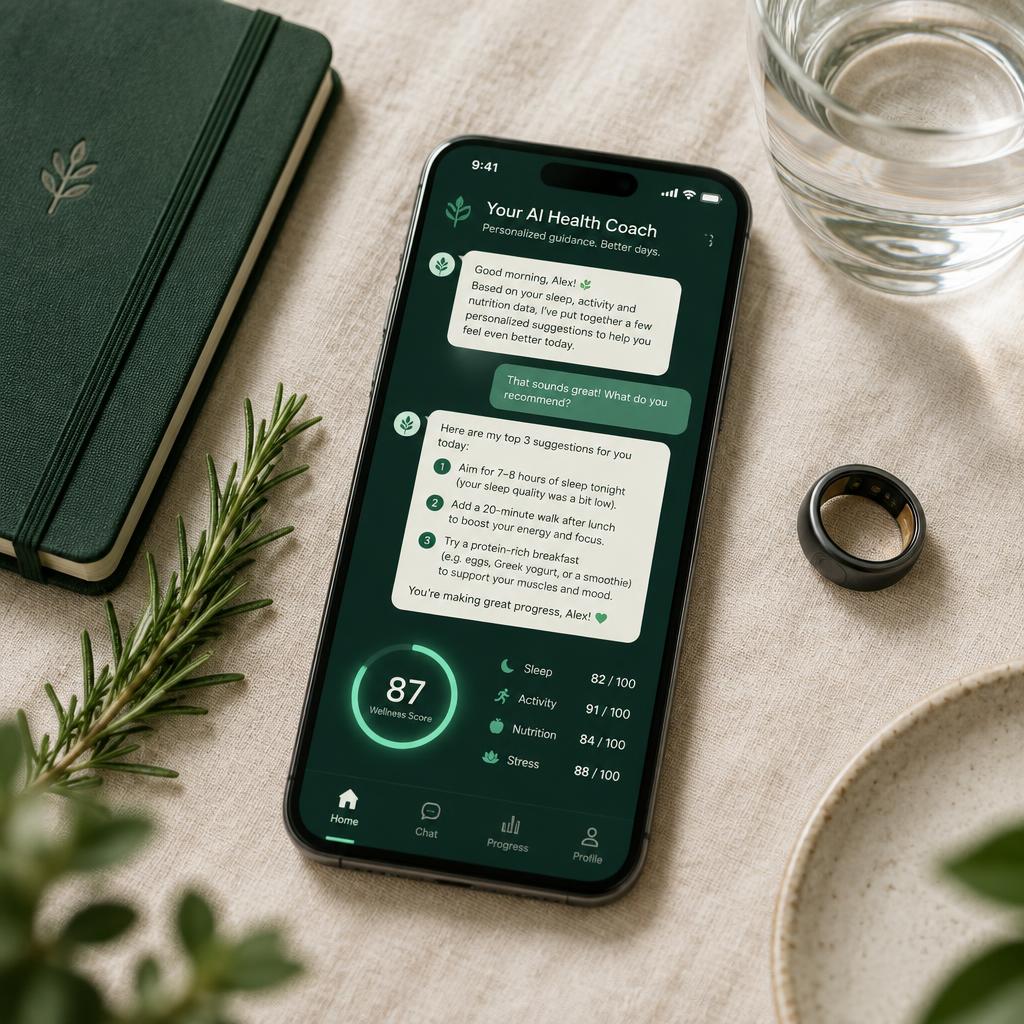
AI Health Coach: What It Actually Does and Whether You Need One
A personal trainer, nutritionist, and sleep specialist in your pocket — that's the pitch. What an AI health coach really does, what the evidence says about whether it works, where it falls short, and how to try one free.
Read →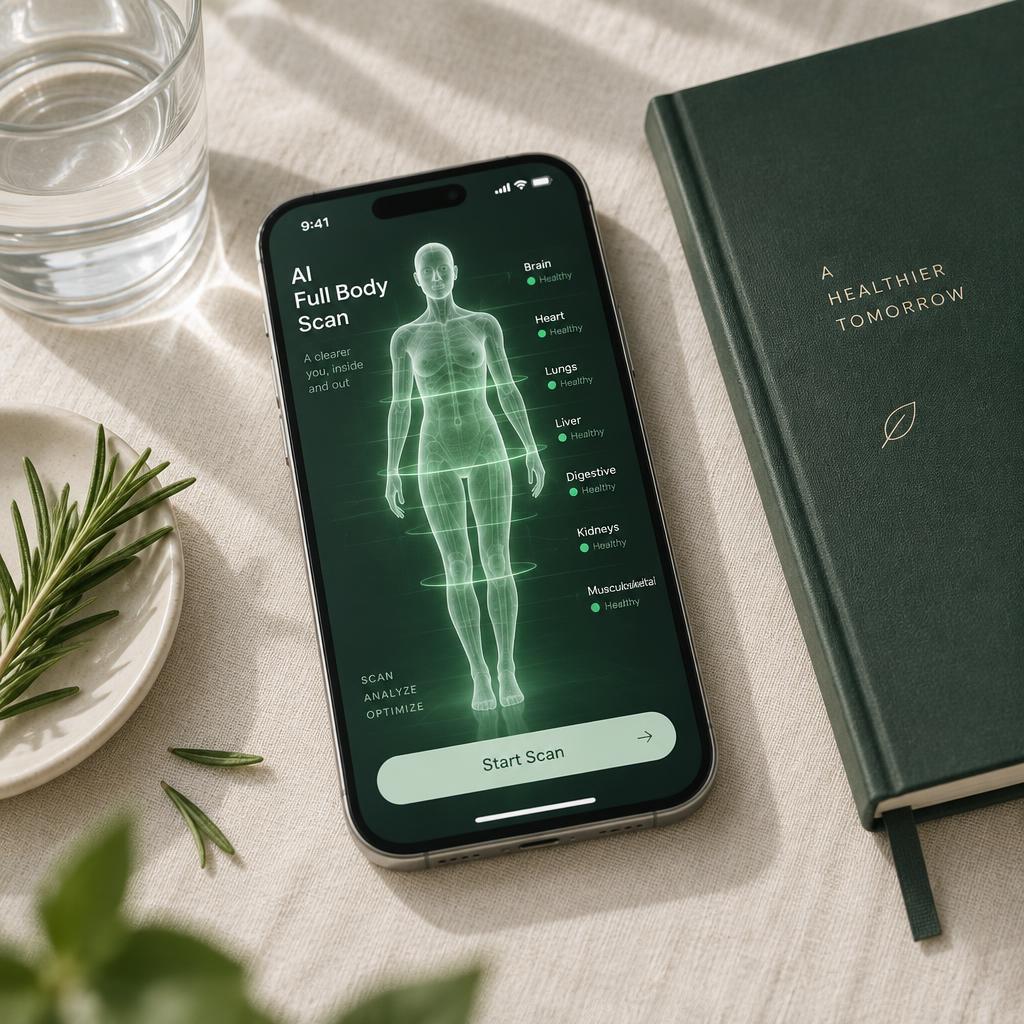
Full Body Scan: Cost, What It Shows, and Whether It's Worth It
Whole-body MRI, full body CT, DEXA and AI body scans all promise to see everything. What each one really costs, what it can and can't detect, the false-positive problem — and the free scan to run first.
Read →
Facial Analysis: What AI Can Actually Read From Your Face
A single photo holds more health information than a clipboard. How AI facial analysis measures skin, symmetry, and aging, what it reveals about your health and appearance — and how to get assessed free.
Read →