Taurine Benefits: What the Human Evidence Actually Shows
Taurine went from energy-drink filler to one of the most-studied longevity molecules of the decade. Here's what it does, what the trials prove, and how to take it — without the hype.
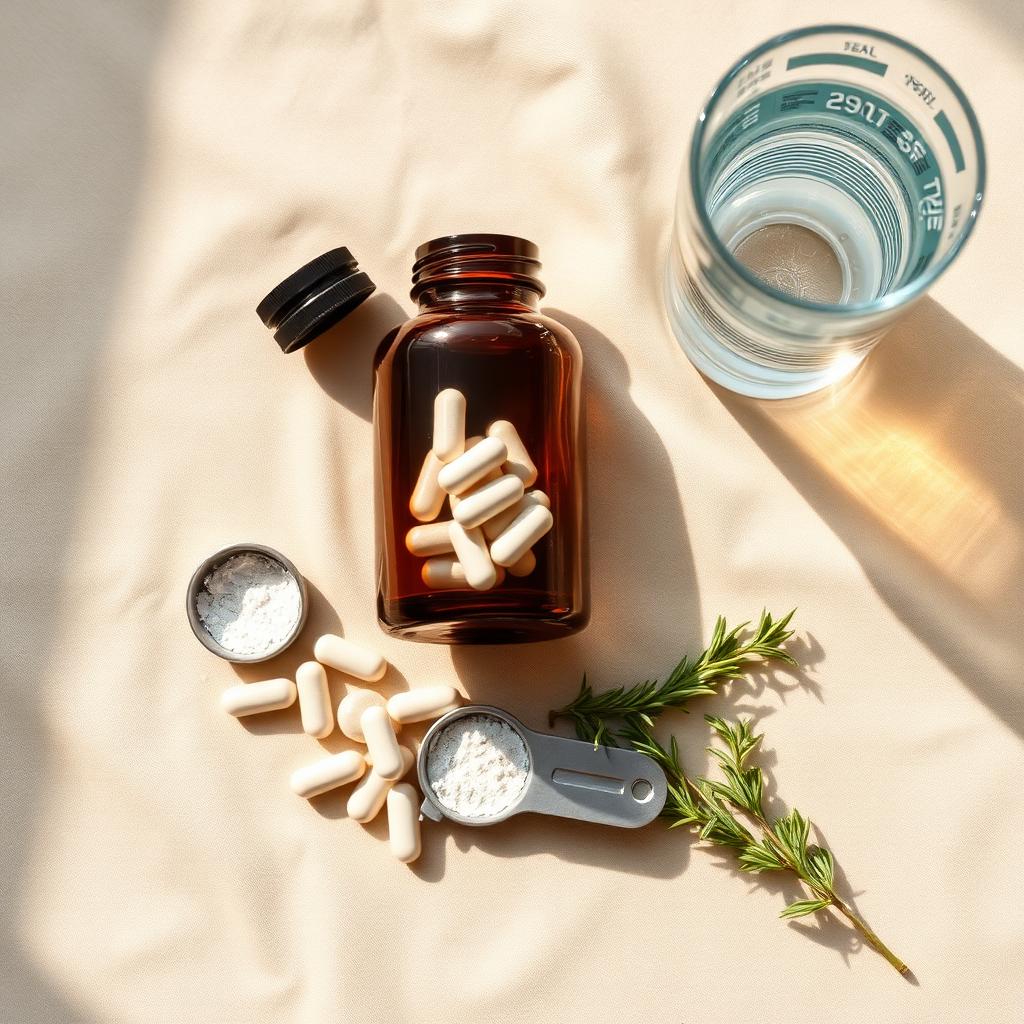
Taurine is a sulfur-containing amino acid your body makes in small amounts and gets from meat and seafood. It's the most abundant free amino acid in your heart, muscles, and brain — and one of the few supplements with human data across cardiovascular, metabolic, mitochondrial, and aging outcomes.
The 60-second answer
- • What it is: Conditionally essential amino acid; concentrated in heart, muscle, brain, and retina.
- • Best-supported dose: 1.5–3 g/day with food. 3–6 g/day for athletic use.
- • Proven in humans: Lowers systolic BP ~7 mmHg, improves endothelial function, reduces exercise damage, improves fasting insulin.
- • Emerging: Restores an aging biomarker that drops ~80% with age (2023 Science).
- • Safety: One of the cleanest profiles in supplements. No stimulant effect.
- • Skip it if: You're on lithium, pregnant, or have advanced kidney disease.
What taurine actually does in the body
Taurine doesn't build muscle or synthesize protein — it isn't used to make new tissue. Instead, it acts as an osmolyte, antioxidant, and calcium regulator, keeping cells stable under metabolic and oxidative stress. Four mechanisms matter:
- Mitochondrial protection. Taurine conjugates to specific tRNA molecules inside mitochondria; without it, the electron transport chain leaks and ATP output falls.
- Calcium handling. In heart and skeletal muscle, taurine buffers intracellular calcium — the same mechanism behind its blood-pressure and arrhythmia effects.
- Bile acid conjugation. Taurine binds to bile acids, improving fat digestion and cholesterol clearance.
- GABA-A modulation. Taurine is a partial GABA-A agonist, which is why higher doses have mild anxiolytic and sleep-supporting effects.
The human evidence, ranked by outcome
Ignore the mouse studies for now. Here's what randomized trials in humans have actually shown:
| Outcome | Dose · Duration | Effect |
|---|---|---|
| Blood pressure (prehypertensive) | 1.6 g/day · 12 wk | Systolic ↓ 7.2 mmHg; diastolic ↓ 4.7 mmHg (Sun et al., 2016). |
| Endothelial function | 1.5 g/day · 2 wk | Flow-mediated dilation restored in young smokers (Fennessy et al.). |
| Congestive heart failure | 3 g/day · 2 wk | Improved exercise capacity and NYHA class in NYHA II–IV patients. |
| Exercise recovery | 3–6 g/day · 1–3 wk | Reduced creatine kinase, lactate, and DOMS after eccentric exercise (meta-analysis, 2018). |
| Type 2 diabetes markers | 3 g/day · 8 wk | Fasting insulin ↓, HOMA-IR ↓ in insulin-resistant adults. |
| Anxiety / stress | 1 g single dose | Reduced perceived stress and cortisol response in small crossover trials. |
| Cardiovascular mortality (observational) | Serum levels · 12 y follow-up | Higher taurine linked to 12% lower CV mortality in the CARDIA cohort. |
Read the pattern. Taurine's clearest wins are cardiovascular and metabolic — the systems where it's most concentrated. The effect size on blood pressure alone (~7 mmHg systolic) is comparable to a low-dose antihypertensive, at a cost of about $8/month.
Taurine and biological aging
The reason taurine broke out of the supplement niche and into mainstream longevity in 2023 was a landmark Science paper (Singh et al.) that made three linked claims:
- Blood taurine falls ~80% between young adulthood and age 60 across humans, monkeys, and mice.
- Restoring taurine extended median lifespan by 10–12% in mice and reduced age-related decline in monkeys.
- In a human cross-sectional cohort, higher taurine tracked with lower prevalence of type 2 diabetes, obesity, hypertension, and inflammation.
That's mechanistic and observational — not proof of human lifespan extension. But it is the strongest single-molecule aging signal in a decade, and it aligned with 40 years of older cardiovascular literature. Taurine is now in at least three human aging RCTs expected to read out by 2027.
How much taurine — and when
The trials converge on a fairly narrow range. Copy the protocol that matches your goal:
- General longevity / cardiovascular: 1.5–2 g once daily with breakfast.
- Metabolic (prediabetes, insulin resistance): 1.5 g twice daily with meals.
- Athletic performance / recovery: 3 g, 30–60 minutes pre-training. Add 1 g post.
- Sleep and stress support: 1 g with dinner (leverages GABA-A activity).
- Form: Plain L-taurine powder is cheapest and mixes into water easily. Capsules are fine but pricier per gram.
Taurine has a short half-life (~1 hour) and is water-soluble. There's no loading phase, no cycling requirement, and no meaningful upper benefit past ~6 g/day for most people.
Food sources vs supplementation
Taurine is only found in animal foods. A typical omnivore diet delivers 40–400 mg/day — well below the therapeutic range. Rough estimates per 100 g:
- Scallops: ~800 mg
- Dark chicken meat: ~200 mg
- Beef: ~40 mg
- Salmon: ~130 mg
- Plant foods: essentially zero
Vegans and vegetarians have measurably lower blood taurine and are the group most likely to benefit from supplementation. Meat-eaters still fall short of the doses tested in trials — you'd need to eat 2 lbs of scallops daily to hit 3 g.
Taurine vs creatine vs other stack picks
Taurine is often confused with creatine because both are cheap, safe amino-derivatives. They do very different things:
| Supplement | Primary system | Cost/mo | Verdict |
|---|---|---|---|
| Taurine | Cardiovascular, mitochondrial, metabolic | $5–10 | Add if over 30 or vegetarian. |
| Creatine monohydrate | Muscle, strength, cognition | $5–8 | Non-negotiable. |
| Omega-3 (EPA/DHA) | Inflammation, brain, heart | $15–25 | Non-negotiable if you don't eat 2 fatty-fish meals/week. |
| Magnesium glycinate | Sleep, blood pressure, glucose | $8–15 | Add for sleep or stress. |
Side effects, interactions, and who should avoid it
Taurine's safety profile is unusually clean. Across 30+ RCTs, adverse events at doses up to 6 g/day are rare and mild — occasional nausea or loose stools at the upper end. No effect on heart rate, no jitteriness (it is not a stimulant — the "buzz" from an energy drink is caffeine and sugar, not taurine).
Be cautious if:
- On lithium. Taurine may enhance lithium's effects.
- Pregnant or breastfeeding. Insufficient data at supplemental doses.
- Advanced kidney disease. Amino-acid loads should be cleared with a nephrologist.
- Taking high-dose stimulants. Not dangerous, but taurine's calming effect may blunt them.
How to buy taurine without wasting money
- Bulk L-taurine powder is the cheapest form. A 500 g tub lasts ~8 months at 2 g/day for under $15.
- Third-party tested. USP, NSF, or Informed Sport verification. Taurine is simple to manufacture, but purity still varies.
- Skip "energy blends." Products that combine taurine with caffeine, guarana, or "proprietary blends" hide the actual taurine dose and add stimulants you can control separately.
- Avoid ox-bile derived taurine if you're vegan — most commercial taurine is synthetic (fine), but a few brands still source from animal bile.
Where taurine fits in a longevity stack
Taurine sits in the same tier as omega-3 and creatine: cheap, safe, broadly acting, and backed by human data on the outcomes that actually predict healthspan (blood pressure, insulin sensitivity, mitochondrial function). It is not a miracle molecule and it will not offset a poor diet, chronic short sleep, or sedentary behavior. But layered on top of the fundamentals, it's one of the highest-value $8/month you can spend on your biology.
Taurine FAQ
Medical disclaimer. This article is for educational purposes and is not medical advice. Talk to a clinician before starting any supplement — especially if you're pregnant, taking prescription medication, or managing a diagnosed condition.
Personalize your stack
Get a supplement stack built around your biology.
Take the free 3-minute Aevon assessment and receive a personalized longevity protocol — including a supplement stack calibrated to your goals, age, and biomarkers.
Start free assessment →Keep reading
Related from the Aevon Journal
AI Health Coach: What It Actually Does and Whether You Need One
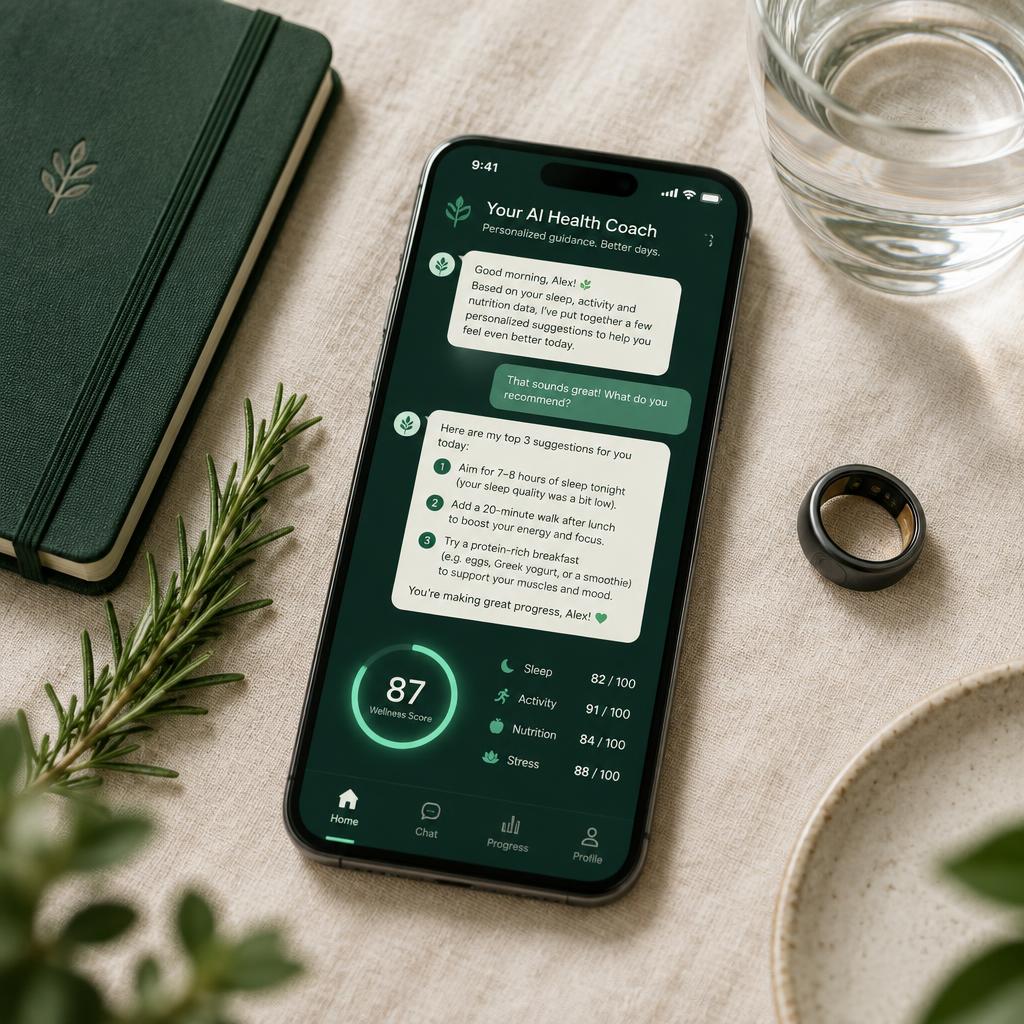
A personal trainer, nutritionist, and sleep specialist in your pocket — that's the pitch. What an AI health coach really does, what the evidence says about whether it works, where it falls short, and how to try one free.
Read →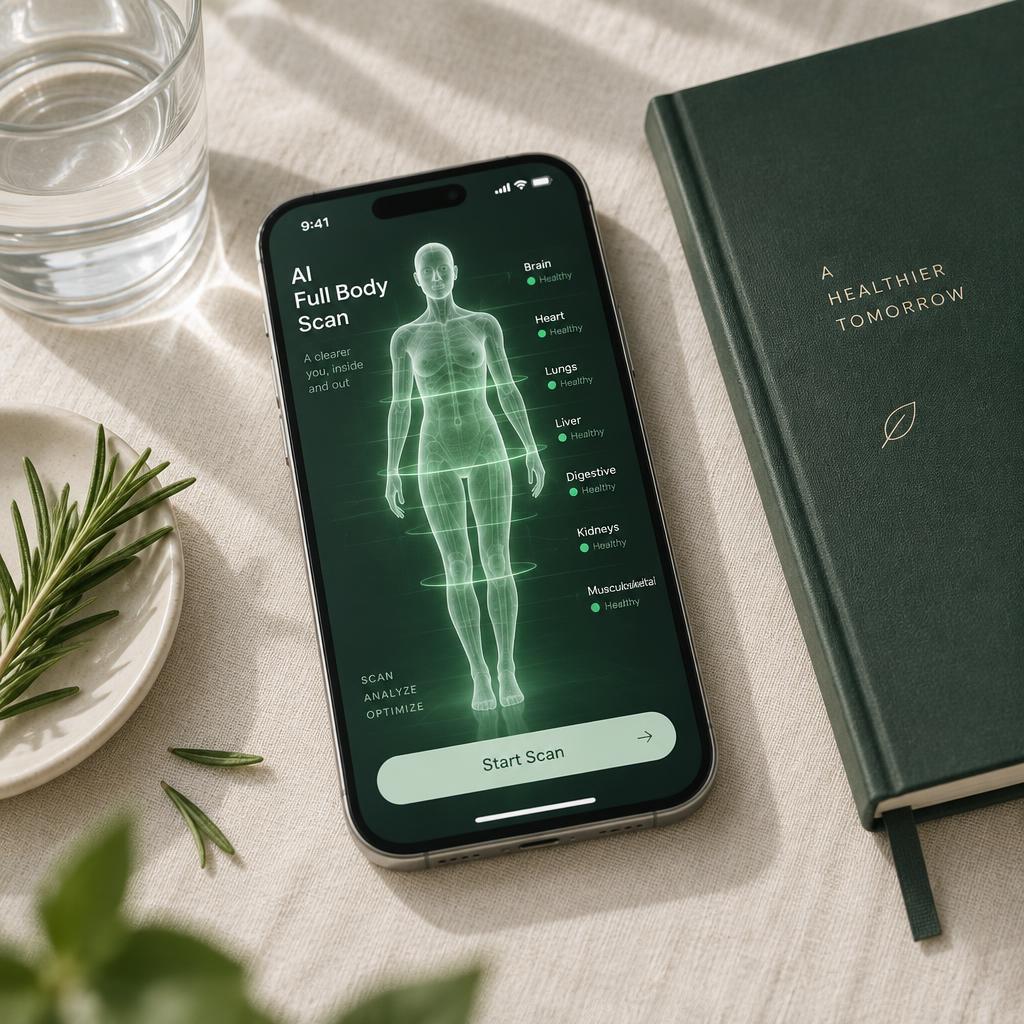
Full Body Scan: Cost, What It Shows, and Whether It's Worth It
Whole-body MRI, full body CT, DEXA and AI body scans all promise to see everything. What each one really costs, what it can and can't detect, the false-positive problem — and the free scan to run first.
Read →
Facial Analysis: What AI Can Actually Read From Your Face
A single photo holds more health information than a clipboard. How AI facial analysis measures skin, symmetry, and aging, what it reveals about your health and appearance — and how to get assessed free.
Read →