Sleep Debt Is Aging You: The Data Behind 7 Hours
One night of restricted sleep won't age you. Six months of five-hour nights will. The data linking chronic sleep debt to accelerated biological aging is now overwhelming — and it operates through mechanisms you can measure, intervene on, and reverse.
The 7-hour floor
Meta-analyses of over two million adults consistently identify a U-shaped curve: both under 6 hours and over 9 hours are associated with higher all-cause mortality, with the minimum-risk band sitting at 7–8 hours. This isn't correlation dressed as causation — controlled sleep restriction studies replicate the mechanistic damage.
What breaks under short sleep
- Glucose regulation. Five days at 4 hours can push a healthy adult into a pre-diabetic HbA1c range.
- Inflammation. hs-CRP and IL-6 climb; chronic elevation predicts cardiovascular events.
- Growth hormone & testosterone. Both drop 10–15% under a week of sleep restriction.
- Epigenetic age. DNA methylation clocks tick faster in short sleepers, independent of chronological age.
- Amyloid clearance. The glymphatic system flushes neurotoxic waste primarily during deep sleep.
Quality matters as much as quantity
Eight hours of fragmented sleep isn't the same as eight hours of consolidated sleep. The metrics that matter most: sleep efficiency (time asleep divided by time in bed — aim for 90%+), deep sleep (13–23% of total for adults), and REM (20–25%). Alcohol, late meals, and elevated core temperature suppress deep sleep even when total time looks fine.
A protocol that compounds
- Fixed wake time — every day, weekends included. This anchors your circadian rhythm harder than any supplement.
- 10 minutes of outdoor light within an hour of waking. Sets cortisol, melatonin, and body-temperature rhythms.
- Stop caffeine 8+ hours before bed. Half-life is ~5 hours; a 2pm coffee still has meaningful adenosine blockade at 10pm.
- Cool, dark, quiet. 65–68°F, blackout blinds, white noise. Boring, effective.
- 90-minute wind-down. Dim lights, no screens (or blue-blockers), no work. Signal to the nervous system that the day is done.
Track the right things
A ring or wrist wearable can approximate sleep stages, but the highest-leverage metrics are the ones you can measure without a device: consistent bed and wake times, subjective restedness on waking, and how you feel between 2–4pm without stimulants.
Sleep is not a cost center for productivity. It's the metabolic, cognitive and hormonal reset that determines how well every other longevity input actually works.
Get personalized
See how sleep is shaping your biological age.
The free Aevon assessment scores your sleep architecture and factors it into your personalized Blueprint.
Take the free assessment →Keep reading
Related from the Aevon Journal
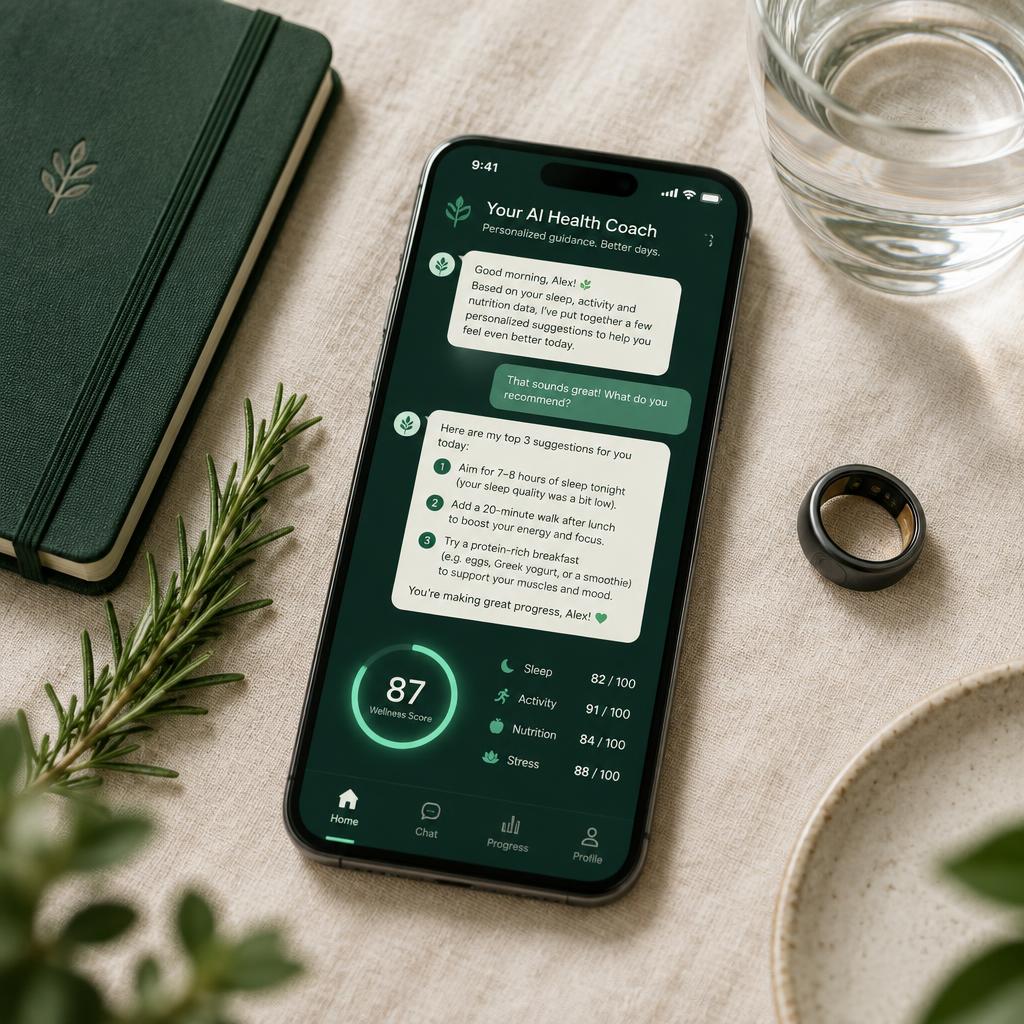
AI Health Coach: What It Actually Does and Whether You Need One
A personal trainer, nutritionist, and sleep specialist in your pocket — that's the pitch. What an AI health coach really does, what the evidence says about whether it works, where it falls short, and how to try one free.
Read →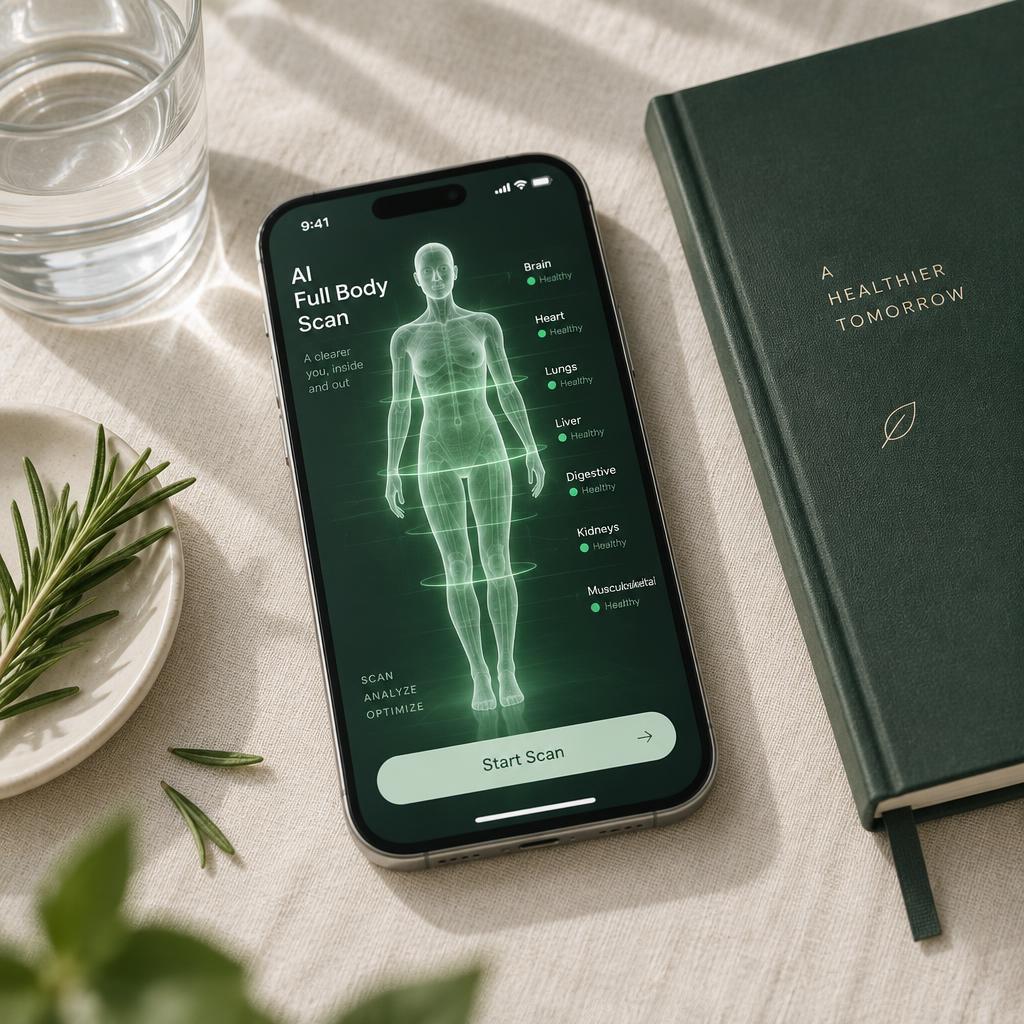
Full Body Scan: Cost, What It Shows, and Whether It's Worth It
Whole-body MRI, full body CT, DEXA and AI body scans all promise to see everything. What each one really costs, what it can and can't detect, the false-positive problem — and the free scan to run first.
Read →
Facial Analysis: What AI Can Actually Read From Your Face
A single photo holds more health information than a clipboard. How AI facial analysis measures skin, symmetry, and aging, what it reveals about your health and appearance — and how to get assessed free.
Read →